
Review · SEVILLE
Seville: Flamenco Hand Clapping Workshop with Dancer
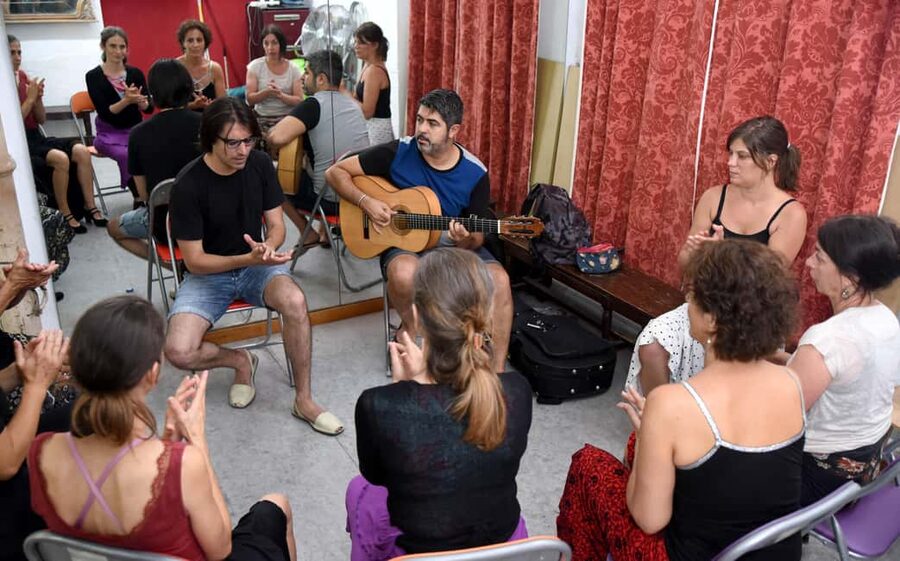
Flamenco starts with the hands. In this one-hour Seville workshop, you learn palmas, the sharp hand clapping that helps drive flamenco music and dance. Eva, a professional flamenco dancer, breaks down the rhythms and accent patterns, then gets the group clapping together inside an authentic studio in the city center.
I like two things here: you learn by doing, not by sitting through a lecture, and the lesson gives you a new way to watch flamenco afterward. I also like the personal scale. Private and small-group options are available, and Eva teaches in English, French, Spanish, and Dutch.
The main consideration is that one hour only gives you an introduction. Flamenco rhythms can be tricky, especially when the accents change, so you should expect a fun first step rather than mastery. Children under 10 cannot join, and transport to the studio is not included.
Key points at a glance
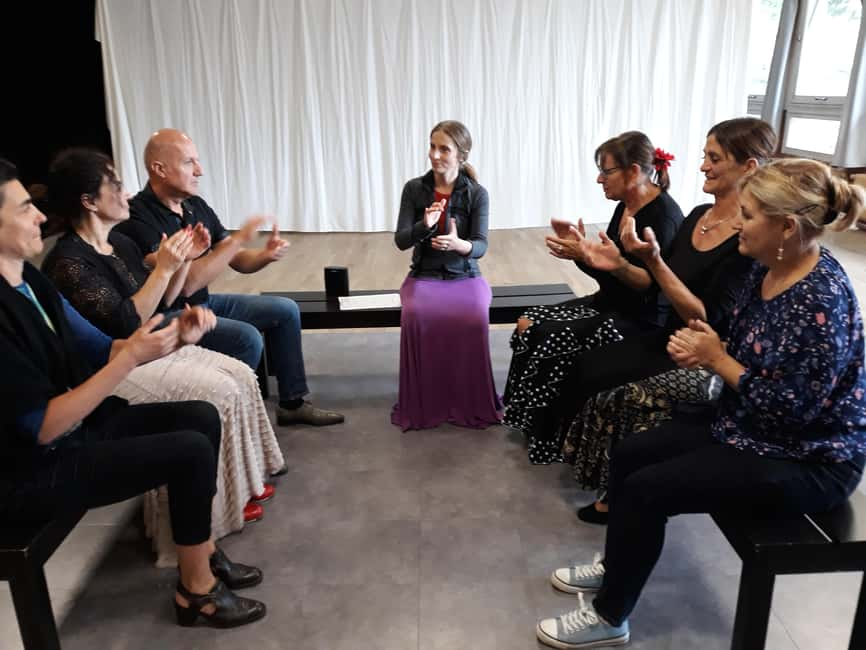
- Learn palmas in an authentic Seville studio: Practice the hand claps used to support flamenco music and dance.
- Work with Eva, a professional dancer: She teaches palmas, castanets, and flamenco dance in several languages.
- Use hands and feet as your instruments: The workshop shows how a simple beat can grow into a shared rhythm.
- Practice rhythmic dialogue: You do not only clap alone. You work with other participants to build a group pattern.
- Pay $23 for a focused one-hour lesson: The price is reasonable if you want an active cultural experience rather than a show alone.
- Choose a small or private format: This can suit visitors who prefer personal attention or a quieter class.
What palmas means in flamenco
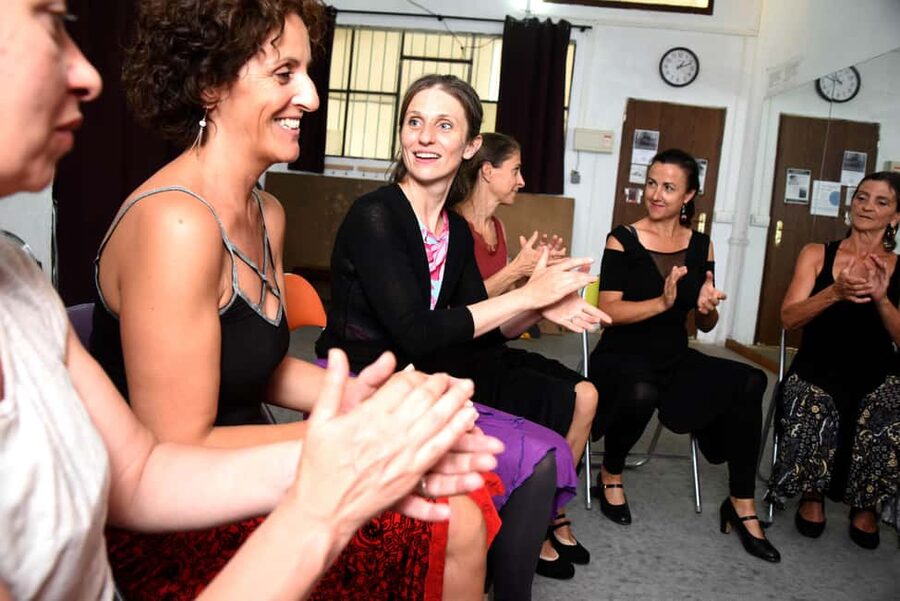
Palmas is flamenco hand clapping. It is not casual applause between songs. The claps help create the pulse, mark accents, and support the movement and music around them.
That difference is what makes this workshop useful. You are not simply learning a party trick. You are getting a basic sense of how flamenco rhythm works from the inside. Even a short session can change the way you listen to a performance later in your trip.
The class also uses your feet to keep a beat. That matters because flamenco rhythm is not held in the hands alone. The combination of clapping and footwork gives you a simple set of tools for creating a rhythmical vibe with the rest of the group.
You do not need to arrive as a musician. The activity is suitable for most travelers, and the teaching is built around practice. Still, you should be ready to listen closely and repeat patterns. The hardest part may be keeping your hands steady when the accent shifts.
More Flamenco Shows in Seville:
- Seville: Live Flamenco Dancing Show Ticket at the Theater
★ 4.7 · 16,396 reviews - Seville: Puro Flamenco Show with Optional Museum Ticket
★ 4.8 · 6,088 reviews - Seville: Live Flamenco Show at “Teatro Flamenco Triana”
★ 4.6 · 3,290 reviews
Meeting Eva at the central studio
The workshop takes place in an authentic flamenco studio in central Seville. The meeting point is at the entrance of the church, opposite the pharmacy. You will need to make your own way there because transportation is not included.
This central location makes the class easy to pair with sightseeing in Seville. You could schedule it near other city-center plans, but allow enough time to find the meeting point without rushing. The directions use nearby landmarks rather than a long description, so check the exact booking details before setting off.
Eva is a professional flamenco dancer with years of experience teaching palmas, castanets, and flamenco dance. Her work covers more than one subject, but this class focuses on hand clapping and rhythm. That is good news if you want a clear lesson rather than a broad introduction that tries to cover every part of flamenco.
She teaches in English, French, Spanish, and Dutch. The Dutch and Flemish option is especially useful for visitors who prefer to learn in that language. Language choice can make a real difference when a teacher is explaining small changes in timing and accent.
The first stage: finding the pulse
The class begins with the basics of flamenco rhythm and hand clapping. You learn how the patterns are organized and where the accents fall. The exact order of the exercises may vary, but the aim is clear: help you hear the beat before asking you to reproduce it.
This first stage is where the workshop earns its price. A flamenco show can be exciting, yet it can also move so quickly that the structure is hard to follow. By learning a few patterns yourself, you gain a practical reference point.
Do not expect a long cultural lecture. The activity is designed as a hands-on workshop. You will spend your time listening, clapping, repeating, and adjusting. That active format suits people who learn through movement, but it may feel fast if you prefer detailed background before trying anything.
A good approach is to worry less about being perfect. The point is to recognize the rhythm and take part in it. You might miss an accent at first. That is normal for a beginner, and the shared class setting gives you a chance to try again.
The second stage: clapping accent patterns
Once the basic pulse is in place, Eva introduces different flamenco rhythms and accent patterns. This is the part that separates palmas from ordinary clapping. Your hands need to respond to the pattern, not simply mark every beat in the same way.
The workshop gives you a direct sense of how rhythm can carry a performance. A dancer’s movement, the music, and the clapping all depend on timing. You do not need to become a dancer to understand that connection, but practicing it with your own hands makes the idea much clearer.
This section may be the most demanding part of the hour. Rhythm patterns can sound simple when someone else performs them. Repeating them yourself is another matter. If you have little musical experience, you may need to concentrate hard, particularly when the accents change.
That challenge is also part of the fun. You get a small taste of the focus flamenco requires without signing up for a full dance course. The lesson stays within reach for most people, but it does ask you to pay attention.
Another stage worth an evening:
- Seville: Flamenco Show Ticket at Tablao Flamenco Las Setas
★ 4.8 · 2,214 reviews - Authentic Flamenco Show with Tapas & Wine Guided Tour
★ 5.0 · 1,476 reviews - Flamenco Show at Tablao El Arenal with Drink and Optional Dinner or Tapas
★ 4.5 · 1,415 reviews - Seville: Flamenco Dance Class with Optional Costume
★ 4.9 · 1,350 reviews
The third stage: creating a group rhythm
The class then brings participants together in a rhythmic dialogue. Instead of practicing in isolation, you clap patterns with the other people in the workshop. Your hands and feet become the basic instruments, and the group works toward a shared sound.
I like this part because it turns a technical lesson into a social activity. You are not just copying Eva. You are listening to the people around you and responding to the wider rhythm. That makes the workshop feel connected to the communal side of flamenco.
Group size matters here. Private and small-group formats are available, so you may be able to choose a quieter setting with more direct help. A larger group could offer more energy, while a smaller one may make it easier to hear corrections and ask questions. The available format depends on the option you book.
The group exercise also gives the hour a clear payoff. You begin with separate claps and end by helping create a shared rhythmic pattern. It is a modest achievement, but a satisfying one, especially if this is your first contact with palmas.
Why this helps at a flamenco performance
This workshop is not a replacement for seeing flamenco performed. It is a way to listen with better ears afterward.
Before the class, you may notice the speed, the footwork, and the emotional force of a performance without knowing how the rhythm is held together. After practicing palmas, you can listen for the pulse and the accents. You will have a small piece of insider knowledge, earned through your own hands rather than picked up from a guidebook.
That does not mean you will identify every rhythm after one hour. You should keep your expectations sensible. The value comes from gaining a starting point and a new question to ask when you watch: how are the claps, feet, music, and dance fitting together?
If you plan to attend a flamenco show during your stay, this class makes a good companion activity. It gives context without taking up half a day. You can enjoy the performance as entertainment while also noticing some of the structure beneath it.
The value of the $23 price
At $23 per person, the workshop is priced as an accessible introduction rather than a major splurge. You receive one hour with a professional dancer, instruction in different rhythms and accent patterns, and practice with the group.
I consider that fair value for visitors who want to do something active and local. Many cultural activities ask you to watch, photograph, and move on. Here, you take part in a tradition using only your hands and feet. The lesson also has value beyond the hour because it can change how you experience later flamenco performances.
The price is less compelling if you want a full flamenco show, a meal, or a long class. None of those are included. There is no meal and no transportation to the studio, so add those costs and plans separately.
The short duration is both a benefit and a limit. One hour fits neatly into a busy Seville schedule, but it leaves little time for extended practice. If you already dance, play music, or have studied flamenco, you may want a longer or more specialized lesson. For a first introduction, the compact format works well.
Who should book this workshop
I would recommend this activity to adults and children aged 10 or older who enjoy music and want more than a standard sightseeing stop. It suits beginners because the focus is on learning basic rhythms and clapping patterns rather than presenting a demanding dance course.
It is also a good choice for people who plan to see flamenco in Seville. The workshop gives you something specific to listen for during a performance. Music lovers may enjoy the rhythm work, while curious visitors can try a traditional skill without committing to a full-day class.
The activity can fit solo visitors, couples, families with older children, and small groups of friends. Private and small-group options offer a more personal setting. The class is wheelchair accessible, which makes it available to a wider range of visitors, though transportation to the studio remains your responsibility.
You should think twice if you dislike participation or feel uncomfortable making mistakes in front of others. This is not a passive presentation. You will be expected to clap, keep a beat, and join the rhythmic work. The lesson is friendly in spirit, but participation is the whole point.
Practical planning for your Seville day
Plan your route to the church entrance opposite the pharmacy, which is the stated meeting point. Since transport is not included, you need to arrange your own way to the central studio.
Check the starting time when you book. The activity lasts one hour, but the available start times can vary. A class in the middle of a sightseeing day works well because it does not require a major time commitment.
The activity offers free cancellation up to 24 hours in advance, and you can reserve now and pay later. That is useful when your Seville schedule is still taking shape. Keep in mind that the cancellation condition is tied to the 24-hour cutoff.
The workshop is not designed for babies under one year old, and children under 10 are not allowed. For families, that age rule is important to check before booking. The class is suitable for most other participants, and instruction is available in English, French, Spanish, and Dutch.
Should you book the flamenco palmas class?
Book it if you want a short, hands-on cultural activity that gives you a better feel for Seville’s flamenco tradition. Eva’s professional background, the central studio, the language options, and the small-group availability all support a focused introduction.
The strongest reason to go is the chance to understand rhythm through practice. You will leave knowing more about palmas and accent patterns, and you may watch flamenco with sharper ears afterward.
Skip it if you want a performance, meal, or long dance lesson. Those are not part of the experience. But at $23 for an active one-hour class, this is a sensible choice for anyone who would rather make a little music than simply look at another Seville landmark.
FAQ
Where does the flamenco hand clapping workshop take place?
It takes place in an authentic flamenco studio in central Seville. The meeting point is at the entrance of the church, opposite the pharmacy.
How long does the workshop last?
The workshop lasts one hour.
What is the price per person?
The price is $23 per person.
What will I learn during the class?
You will learn flamenco hand clapping, known as palmas, along with different flamenco rhythms and accent patterns.
Who teaches the workshop?
Eva teaches the workshop. She is a professional flamenco dancer with experience teaching palmas, castanets, and flamenco dance.
Which languages are available?
Instruction is available in English, French, Spanish, and Dutch.
Is transportation to the studio included?
No. Transportation to the studio is not included, so you must make your own way to the meeting point.
Is the activity wheelchair accessible?
Yes, the activity is wheelchair accessible.
Can children join the workshop?
Children under 10 cannot join, and babies under 1 year old are not suitable for the activity.
Can I cancel and receive a refund?
Yes. You can cancel up to 24 hours in advance for a full refund. You can also reserve now and pay later.
Newly listed in Seville
- Unforgettable Seville: Tour of Seville and the Jewish Quarter + Flamenco Show★ 4.0 · 4 reviews
- Private walking tour to Seville with Flamenco Show★ 4.5 · 23 reviews
- Espectáculo Flamenco Tablao “Las Setas”★ 5.0 · 59 reviews
- Flamenco show in the heart of Triana★ 4.5 · 55 reviews
- Tapas and Flamenco in Seville★ 4.5 · 34 reviews
- Sevilla Private Flamenco and Tapas Tour★ 5.0 · 16 reviews
- Seville: Fun class to approach Flamenco★ 5.0 · 44 reviews
- Seville Pure Flamenco Tour★ 3.5 · 5 reviews
Seville Flamenco Shows, compared.
Live Flamenco Dancing Show Ticket at the Theater
Read our review →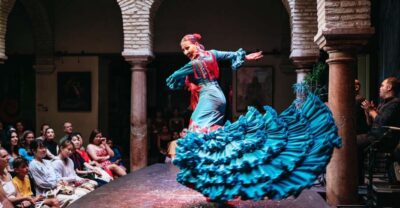
Puro Flamenco Show with Optional Museum Ticket
Read our review →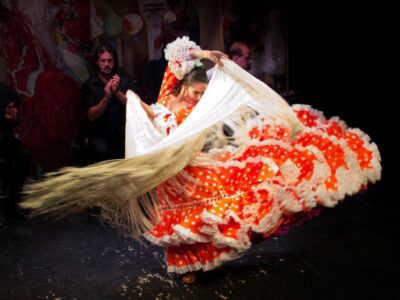
Live Flamenco Show at “Teatro Flamenco Triana”
Read our review →
Flamenco Show Ticket at Tablao Flamenco Las Setas
Read our review →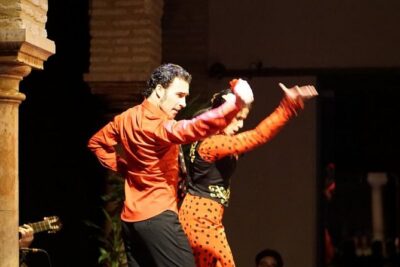
Authentic Flamenco Show with Tapas & Wine Guided Tour
Read our review →
Flamenco Show at Tablao El Arenal with Drink and Optional Dinner or Tapas
Read our review →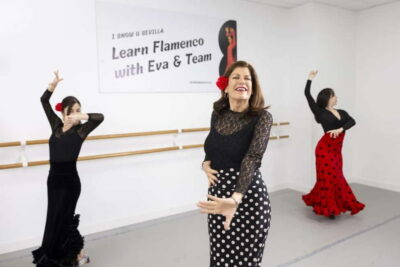
Ticket to Flamenco Show at La Casa de la Guitarra
Read our review →Browse the lists this tour appears in