
Review · SEVILLE
Seville: Fun class to approach Flamenco
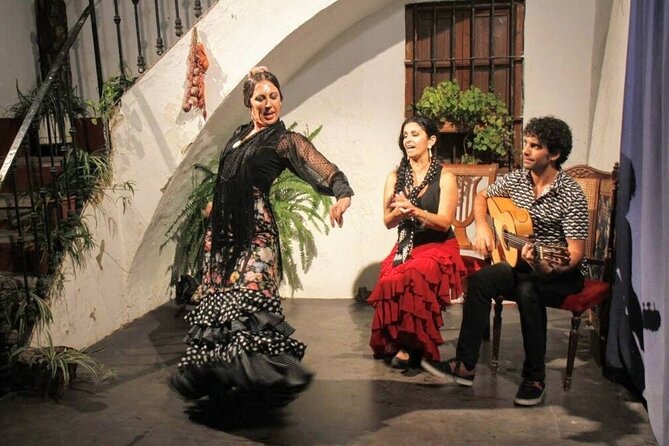
Seville’s flamenco is not only something to watch from a darkened tablao. In this lively one-hour class, you learn to clap the compás of tangos, move your arms and hands, add footwork, and finish with a short routine. The teacher breaks a complicated art into small, manageable pieces, with plenty of laughter along the way.
I like two things right away. First, the class gives you a real feel for flamenco rather than a tourist photo opportunity with fans and costumes. Second, instructors such as Luna and Elisabeth teach with patience and good humor, making complete beginners feel safe enough to try something new.
The main consideration is time. One hour is enough for a satisfying introduction, not enough to master flamenco. At $42.05, the value is strongest when you want an active cultural experience or plan to attend a performance afterward. Solo bookings may feel expensive, though they can become private lessons.
Key points to know before booking
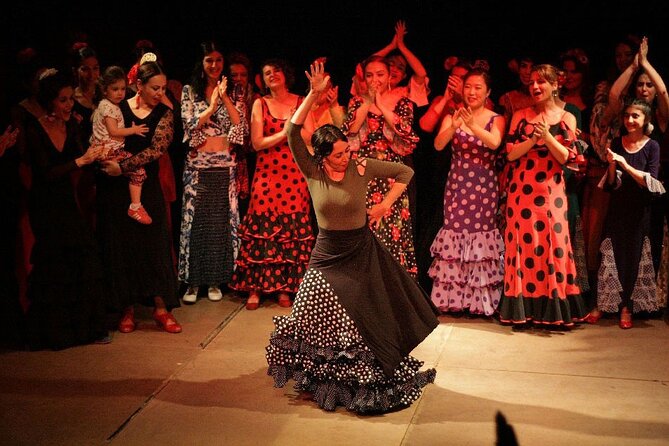
- You build a short dance from the ground up: The class starts with palmas, then adds arms, feet, markings, a call, and a final routine.
- The focus is flamenco por tangos: You learn a specific rhythm and dance a small patá, or informal dance sequence, rather than attempting a full stage performance.
- Beginners are welcome: The teaching progresses slowly enough for people with little or no dance experience.
- The class takes place at Plaza Pelícano: The meeting point is in Seville’s Casco Antiguo, in an area associated with artist workshops and dance studios.
- The group can reach 30 people: Smaller bookings may feel more personal, and solo participants have sometimes received one-on-one instruction.
- It works well before a flamenco show: You will understand more about the rhythm, hand movements, footwork, and effort behind the performance.
Starting at Plaza Pelícano in Seville
Your class begins at Plaza Pelícano, in Seville’s Casco Antiguo. The activity ends at the same meeting point, which keeps the logistics simple and avoids the uncertainty of a one-way walking route.
The setting adds some local character. The dance room is described as part of an artist-oriented area with workshops and studios, rather than a grand theater built only for sightseeing. That matters because you are entering a working dance space, where the focus is on learning movement instead of watching a polished show.
The meeting point is near public transportation, and the class is offered in English. Confirmation arrives at booking, so you should have the basic details before heading across town. Since Plaza Pelícano is an address rather than a famous monument, allow enough time to find the studio and meeting place without rushing. The supplied information does not specify a precise street entrance, so check your confirmation carefully.
The class lasts about one hour. That short length makes it easy to fit into a morning or afternoon in Seville. It also means the instructor must keep the lesson moving. You will not spend half the session on background talk before dancing begins.
More Flamenco Shows in Seville:
- Seville: Live Flamenco Dancing Show Ticket at the Theater
★ 4.7 · 16,396 reviews - Seville: Puro Flamenco Show with Optional Museum Ticket
★ 4.8 · 6,088 reviews - Seville: Live Flamenco Show at “Teatro Flamenco Triana”
★ 4.6 · 3,290 reviews
Palmas first, then the rhythm of tangos
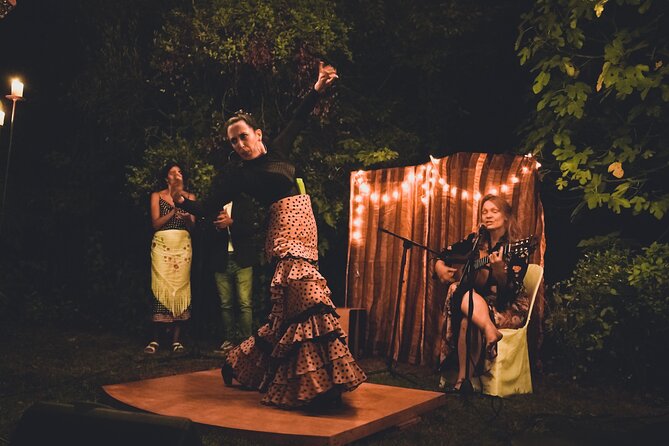
The lesson begins with palmas, the handclapping used to mark flamenco rhythm. This is more than a warm-up. In flamenco, rhythm gives the dance its structure, and learning to clap it helps you understand what your feet and body are meant to do later.
The focus here is tangos, one of the flamenco forms used in the class. Do not confuse this with the Argentine ballroom tango. In this setting, por tangos refers to a flamenco rhythm and style, with its own pulse and movement vocabulary.
The instructor first shows the pattern, then has you repeat it. That step-by-step approach is important for beginners. You are not expected to hear the rhythm perfectly at once. You get a chance to listen, clap, lose the beat, and try again in a relaxed setting.
Some of the best value in the class comes at this point. You begin to see why flamenco can look effortless on stage while feeling surprisingly demanding in the studio. Keeping a steady rhythm with your hands while preparing to move your arms and feet is not as simple as it looks.
Hands, arms, and the details beginners miss
Once the rhythm is in place, you work on hand and arm movements. Flamenco depends on these details as much as on footwork. The rotation of the wrists, the shape of the fingers, and the position of the arms all contribute to the style.
Several class participants found this part especially eye-opening because it revealed how intricate flamenco is. A beginner may arrive thinking the dance is mainly stamping and turning. The lesson quickly shows that the upper body carries its own language.
The teachers’ manner is a major part of the experience. Luna is described as a professional dancer and educator who explains movements clearly and adjusts the pace to the group. Elisabeth is also praised for a warm, energetic teaching style and for explaining the different branches of flamenco. Another class references Lucia as a patient and effective instructor.
The names vary in the available class feedback, so your specific teacher may depend on the date. The consistent point is that the instruction is supportive and practical. You are corrected without being made to feel foolish, which is exactly what you need when your hands, feet, and posture all seem to have separate instructions.
Adding footwork and simple markings
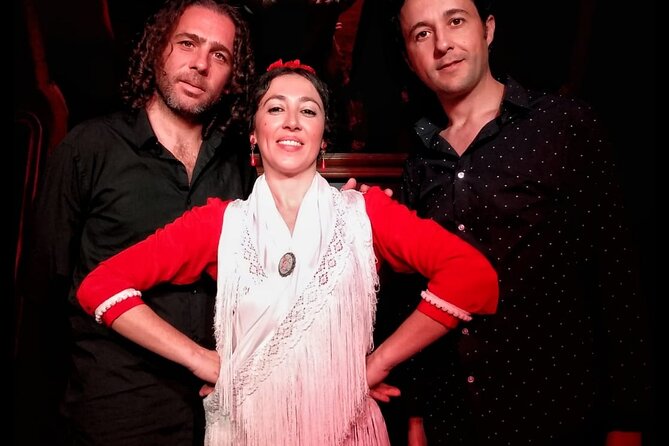
After the arms, you add movement in the feet. The lesson introduces basic steps to the tangos rhythm, along with several markings. In flamenco, a marking is a controlled movement that helps shape the dance without being a full traveling step.
This is where the hour begins to feel like a real class rather than a demonstration. You connect one piece to another: clap the rhythm, hold the arms, move the hands, place the feet, and keep the body oriented correctly.
You do not need prior flamenco experience. Multiple classes have been structured for complete beginners, and the teacher adjusts the pace to suit the group. Still, a little coordination helps. If you have taken dance before, you may pick up the sequence faster, but the class is not presented as an advanced workshop.
Wear shoes that let you move comfortably. One participant specifically advised using suitable footwear. The supplied information does not set a precise shoe requirement, but practical dance shoes or comfortable footwear are a sensible choice. Avoid anything that makes it hard to place your feet securely.
The studio setting may also influence how comfortable you feel. This is a working dance room, not a sightseeing attraction with a carefully staged floor. The available information does not give exact changing-room details or floor specifications, so arrive ready to participate.
Another stage worth an evening:
- Seville: Flamenco Show Ticket at Tablao Flamenco Las Setas
★ 4.8 · 2,214 reviews - Authentic Flamenco Show with Tapas & Wine Guided Tour
★ 5.0 · 1,476 reviews - Flamenco Show at Tablao El Arenal with Drink and Optional Dinner or Tapas
★ 4.5 · 1,415 reviews - Seville: Flamenco Dance Class with Optional Costume
★ 4.9 · 1,350 reviews
Learning the call and finishing the sequence
The final technical section adds a call and a shot, terms used in the class description for flamenco cues and finishing movements. These are taught as manageable parts of the larger sequence.
The point is not to turn you into a professional performer in sixty minutes. The point is to let you experience how a flamenco dance is assembled. The instructor gives you a rhythm, then adds arms, feet, accents, and transitions until the pieces form a recognizable routine.
This method works well because each new layer has a purpose. You are not memorizing a long choreography without context. You are learning how flamenco communicates through rhythm and movement.
The class then reaches its most satisfying moment. The instructor sings a tango lyric, and you dance the full sequence with the rest of the group. That live singing changes the exercise. You are no longer counting steps in silence. You are responding to a voice and rhythm in the same room.
Expect some unevenness. A class of beginners will not move like a professional troupe, and that is part of the fun. You may forget a hand position or arrive late to a step. The teaching style is built around empathy and laughter, so mistakes are treated as part of learning rather than a reason to stop.
Why the lesson improves a later flamenco show
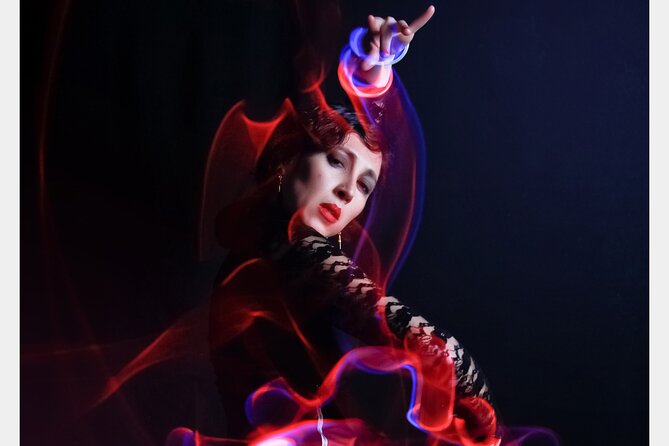
This class makes particular sense if you plan to see flamenco in Seville afterward. Watching a performance before taking a lesson can leave you admiring the energy without knowing what to look for. After the class, you have felt the work in your own body.
You will recognize the role of palmas and hear how the rhythm guides the dancers. You may notice the hand and arm positions that seemed decorative at first. You will also have a better idea of how much control is needed to make footwork look sharp and natural.
The class does not replace a performance. It gives you a small working vocabulary. You still will not know every flamenco form or understand every musical exchange, but you will watch with more attention.
Several people used the class as a way to prepare for an evening tablao. That pairing makes sense for a day in Seville: take the lesson earlier, then see professionals perform later. Keep your expectations realistic, though. The hour introduces one rhythm and a short sequence. It is not a survey course on all of flamenco.
How personal is the class?
The maximum group size is 30 people. That is large enough for a lively session, but it may feel less personal than a private lesson. The actual experience can depend on the number booked for your time.
Small groups have sometimes turned into highly personal sessions. One person who booked alone received what became a private class, and another solo participant learned a roughly 40-second combination with individual guidance. That is a useful possibility, not a guarantee.
A private or nearly private class offers clear advantages. The instructor can watch your posture, adjust the pace, repeat a step, and give you more practice time. It can also make the price feel more reasonable, since $42.05 buys focused instruction rather than a large group activity.
For a group of friends, the class has a different appeal. You can laugh together, encourage the least confident dancer, and finish with a routine to show family and friends. Group discounts are available, although the supplied details do not state the discount amount.
The class is also suitable for couples and families. Reviews describe beginners, parents and children, and groups of friends taking part. Most people can participate, and service animals are allowed.
Price, duration, and overall value
At $42.05 per person for about an hour, this is not the cheapest activity in Seville. A solo participant may reasonably compare it with a longer group class and wonder why the price is high.
The price makes more sense when you look at what is included: professional dance instruction in a studio, a structured introduction to flamenco, and a complete short routine by the end. The teacher also leaves time for questions about the class and flamenco in general.
The strongest value comes from three situations. First, you want to understand flamenco rather than simply watch it. Second, you are traveling with friends and want an activity that gives everyone something to do. Third, you receive a small-group or private format.
The value is weaker if you want a long, technically demanding workshop. One hour cannot cover detailed footwork, several flamenco forms, performance technique, or repeated practice of a full choreography. You should book it as an introduction, not as a substitute for ongoing classes.
The activity is offered in English, which removes a common obstacle for international visitors. The teacher can explain the movements and answer questions in a shared language. The tone is informal and encouraging rather than academic.
What to bring and how to prepare
Come ready to move. You do not need costumes, fans, or other stage props. In fact, one of the class’s strengths is that it focuses on the dance itself rather than decorative extras.
Wear comfortable clothing and shoes suited to movement. The class description does not specify a dress code, but restrictive clothing or unstable footwear will make the footwork harder.
Bring patience. Flamenco has many small details, and the first attempt may feel awkward. Pay attention to the rhythm before worrying about looking elegant. If you lose the sequence, return to the beat and follow the instructor.
You can also prepare by listening to a little flamenco before the lesson, but this is not required. The class introduces the rhythm from the beginning, so you can arrive with no prior knowledge.
The activity is mobile-ticket friendly, and confirmation is provided at booking. Free cancellation is available if you cancel at least 24 hours before the start time. Changes or cancellations inside that window are not accepted for a refund, so check your schedule before booking.
Who should book this Seville flamenco class?
I would recommend it to first-time flamenco learners, curious couples, families, and groups of friends. It is especially good for you if you want a cultural activity that is active, social, and less formal than simply sitting in an audience.
It also suits people who already have some dance experience. You may learn the sequence faster and notice more of the stylistic details. Still, experienced dancers should not expect an advanced class.
I would be cautious about booking if you dislike group participation or feel uncomfortable learning choreography in front of other people. The teacher’s supportive style helps, but the activity is still a dance lesson. You will be asked to move, clap, repeat, and perform the sequence with classmates.
If you have mobility concerns, the available information says most people can participate, but it does not describe adaptations for specific conditions. Contact the provider before booking if you need a particular accommodation.
Should you book Danzaora’s flamenco class?
Yes, if you want a compact and authentic introduction to flamenco in Seville. The class gives you more than a staged taste: you learn the rhythm, try the movements, and complete a short routine with live singing.
The best reason to book is the teaching approach associated with Luna, Elisabeth, and Lucia: clear instruction, patience, humor, and respect for beginners. The main limitation is the short format and the price for a solo booking.
Book it before an evening flamenco performance if your schedule allows. You will watch with sharper eyes and better understand the physical effort behind the music. If the class fills a small group or becomes private, $42.05 feels fair. If you want serious technique, book a longer course instead.
FAQ
Where does the flamenco class begin?
The class begins at Plaza Pelícano, in Seville’s Casco Antiguo, at Pl. Pelícano, 41003 Sevilla, Spain.
Where does the activity finish?
The activity ends back at the meeting point.
How long does the flamenco class last?
The class lasts approximately one hour.
Is the class taught in English?
Yes. The experience is offered in English.
Do I need previous dance experience?
No. The class is designed so beginners can learn the basics and build a short routine step by step.
What will I learn during the lesson?
You will learn palmas to the compás of tangos, hand and arm movements, footwork, markings, a call, and a short dance sequence performed with the group.
How many people can join the class?
The maximum group size is 30 people. Smaller bookings may be more personal, and some solo bookings have become private lessons.
What is the cancellation policy?
You can cancel at least 24 hours before the experience for a full refund. Cancellations or changes made less than 24 hours before the start time are not accepted for a refund.
Newly listed in Seville
- Unforgettable Seville: Tour of Seville and the Jewish Quarter + Flamenco Show★ 4.0 · 4 reviews
- Private walking tour to Seville with Flamenco Show★ 4.5 · 23 reviews
- Espectáculo Flamenco Tablao “Las Setas”★ 5.0 · 59 reviews
- Flamenco show in the heart of Triana★ 4.5 · 55 reviews
- Tapas and Flamenco in Seville★ 4.5 · 34 reviews
- Sevilla Private Flamenco and Tapas Tour★ 5.0 · 16 reviews
- Seville Pure Flamenco Tour★ 3.5 · 5 reviews
- Seville Flamenco Show with Dinner and Flamenco Costume Museum★ 4.5 · 5 reviews
Seville Flamenco Shows, compared.
Live Flamenco Dancing Show Ticket at the Theater
Read our review →
Puro Flamenco Show with Optional Museum Ticket
Read our review →
Live Flamenco Show at “Teatro Flamenco Triana”
Read our review →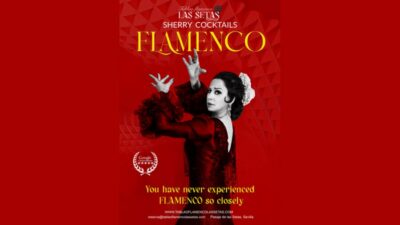
Flamenco Show Ticket at Tablao Flamenco Las Setas
Read our review →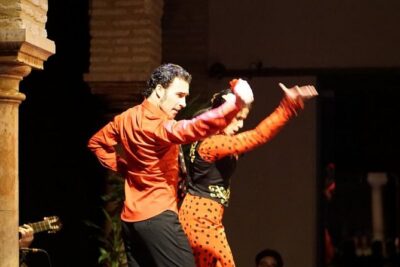
Authentic Flamenco Show with Tapas & Wine Guided Tour
Read our review →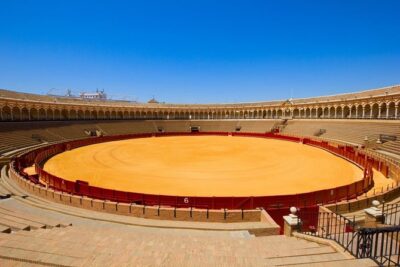
Flamenco Show at Tablao El Arenal with Drink and Optional Dinner or Tapas
Read our review →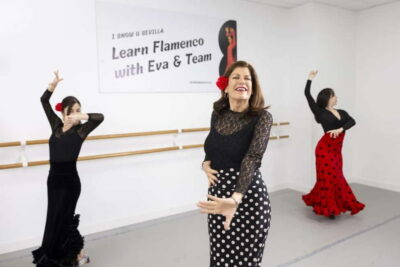
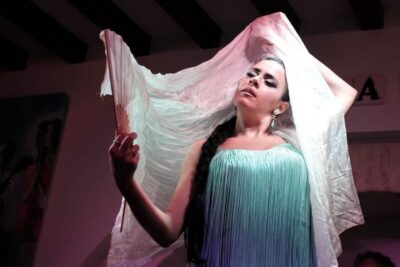
Ticket to Flamenco Show at La Casa de la Guitarra
Read our review →Browse the lists this tour appears in