
Review · SEVILLE
Seville: Museum of Flamenco Dance Admission Ticket
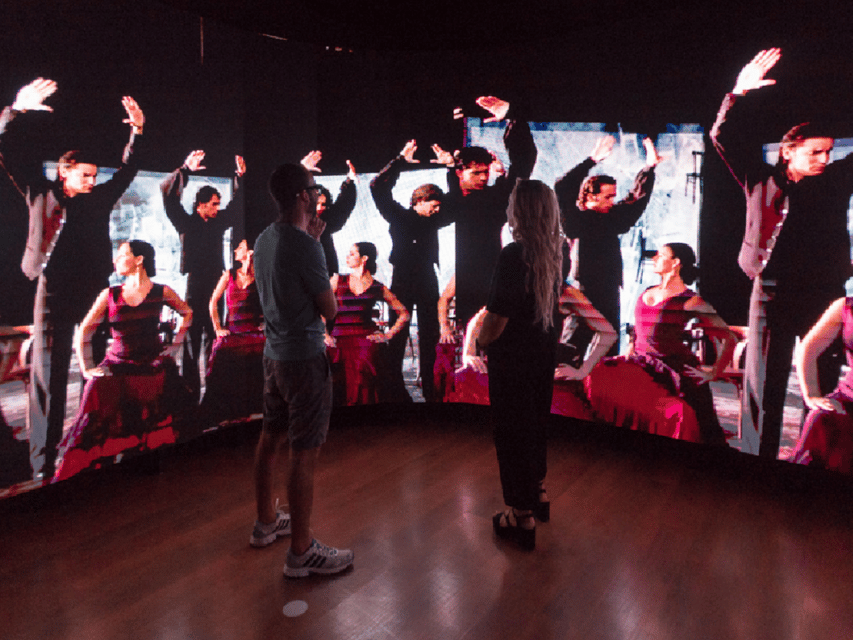
Flamenco comes alive through costumes, music, art, and movement at Seville’s Flamenco Dance Museum, a small cultural stop just five minutes from the Cathedral and Giralda. Founded by celebrated dancer and choreographer Cristina Hoyos, it explains how flamenco grew from popular folk art into one of Andalusia’s defining traditions.
I like the central location, which makes this easy to add between major Old Town sights. I also like the mix of period dresses, props, artwork, and interactive screens, especially the chance to hear more in the third room. The main catch is simple: this is a museum visit, not a performance, and some visitors may find it too slight unless they already care about flamenco.
Key points at a glance
- Five minutes from Seville Cathedral: A handy Old Town stop before or after the Giralda.
- Founded by Cristina Hoyos: The museum has a direct link to one of flamenco’s best-known dancers and choreographers.
- Six flamenco styles explained: Look for Alegría, Soleá, Seguiríya, Taranto, Tangos, and Guajira.
- Costumes from different periods: See how dresses and stage clothing helped shape flamenco’s visual identity.
- Interactive displays and artwork: The museum uses more than wall text to explain the dance.
- One-hour visit for $7: Good value for a focused cultural stop, but the live show costs extra.
Finding the museum in Seville’s Old Town
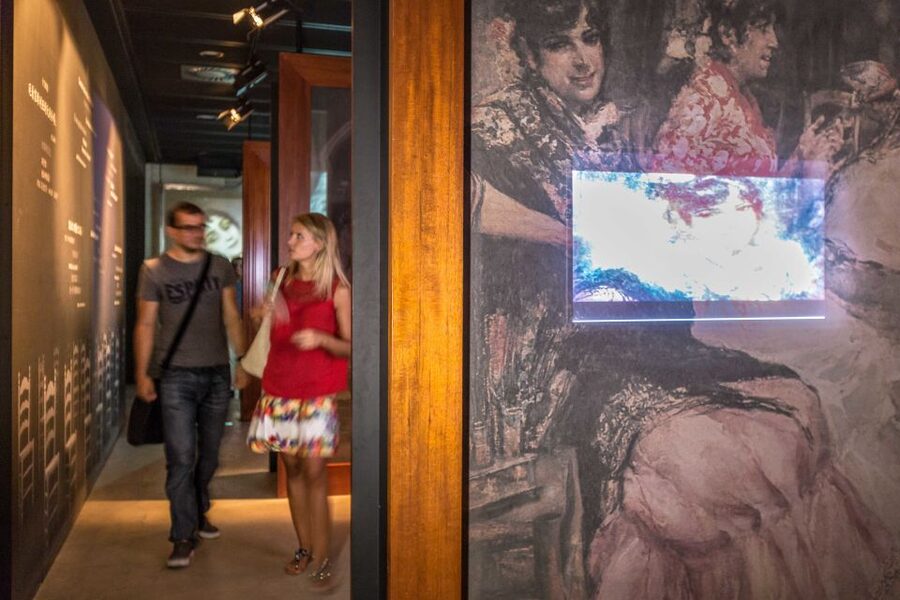
The museum is at Calle Manuel Rojas Marcos, 3, in central Seville. From the Cathedral and Giralda, the walk takes about five minutes, so you can fit it neatly into a day of sightseeing without arranging transport or setting aside half a day.
That location matters. Seville offers plenty of grand monuments, but flamenco gives you a way to connect those stone buildings with living Andalusian culture. You can visit the Cathedral in the morning, walk through the surrounding streets, and reach the museum with little fuss.
You enter at the museum ticket office. The visit is self-guided rather than a scheduled tour with a named guide. Cristina Hoyos is the key personal figure connected with the museum, and her career gives the institution a strong link to professional flamenco.
The building is described as expansive, but you should still think of this as a compact cultural visit rather than a huge museum complex. The suggested duration is one hour. That works well for most schedules, though you are allowed to spend longer with the exhibits and audio material.
More Museums in Seville:
- Seville: Puro Flamenco Show with Optional Museum Ticket
★ 4.8 · 6,088 reviews - Combined ticket: Puro Flamenco Show + Flamenco Museum visit
★ 4.5 · 132 reviews
What the first rooms explain about flamenco
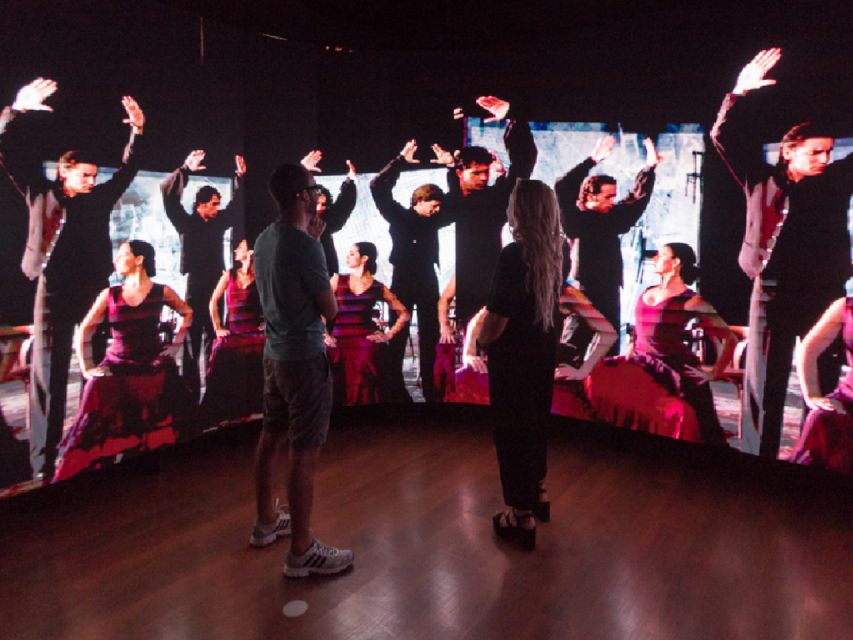
The museum sets out to answer a basic question: where did flamenco dancing come from, and how did it develop? It does so through displays on its styles, clothing, objects, and artistic setting.
You will encounter several forms of flamenco, including Alegría, Soleá, Seguiríya, Taranto, Tangos, and Guajira. The names may be unfamiliar if you are new to the subject, but that is part of the point. Flamenco is not one single dance with one fixed mood. Different forms carry their own character, rhythm, and performance tradition.
The museum’s value comes from showing this variety in a physical setting. Instead of seeing a dance only for a few minutes onstage, you can stop and look closely at the details behind it. That makes the visit useful before attending a performance later in your Seville stay.
You might find the displays most useful if you are curious but not yet an expert. The information gives you a basic framework for noticing differences in a live show. You may not leave able to identify every style, but you should have a better sense that flamenco includes many forms rather than one broad category.
Costumes, props, and the visual side of flamenco
The clothing is one of the museum’s clearest attractions. Dresses from different periods show how flamenco’s appearance has changed over time, while also making clear how important costume is to the dance itself.
You can examine the shape, fabric, and details of the garments at close range. That matters because flamenco clothing is not just decoration. A dancer’s skirt, sleeves, and movement all affect what you see from the audience. In a museum, you have time to study those details without having to follow a performer moving across a stage.
Props and other objects add another layer. The display helps connect dance with the wider stage world around it. Artwork does something similar, placing flamenco within Andalusia’s larger artistic culture instead of treating it as a stand-alone dance lesson.
I especially like this part for visitors who may not be ready to sit through a full flamenco show. A performance can be intense and quick. Here, you can pause, reread the information, and look at a costume for as long as you wish.
The limitation is that clothing and objects cannot fully communicate the physical force of flamenco. You can see the tools of the art, but you will not feel the floor shake or hear a live singer and guitarist respond to the dancer. That is why the museum works best as a cultural introduction or companion to a show.
Interactive screens and the third room
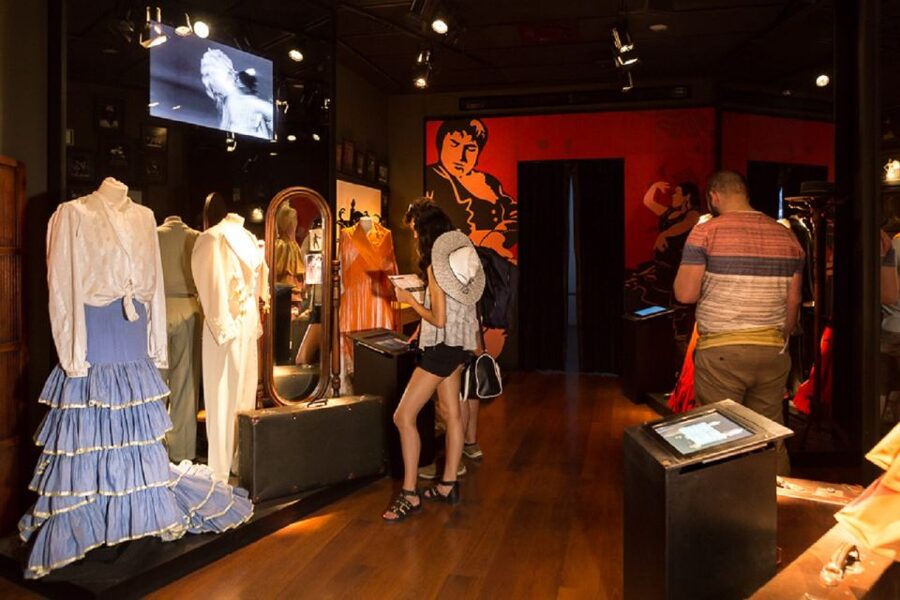
The museum uses interactive screens along with its physical exhibits. This gives the visit more movement than a traditional display of costumes behind glass.
The digital material lets you spend time with sounds and explanations rather than simply walking past labels. If you are building your first understanding of flamenco, that extra material can help connect the names of the styles with the look and feel of the dance.
Give yourself time in the third room. One visitor found the visit short but noted that it was possible to listen longer than expected, particularly there. That is useful advice: the one-hour estimate is not a strict limit, and rushing through the screens would undercut one of the museum’s better features.
You can make the museum a quick stop if your schedule is packed, but I would not treat it like a ten-minute photo break. Spend time with the audio and interactive content, especially if you have never studied flamenco. The museum’s stronger material may be easy to miss if you move only from costume to costume.
At the same time, the interactive features may not satisfy everyone. If you are already familiar with flamenco, you may want more depth or more live material. The museum aims at a broad audience, so it offers an introduction rather than a specialist study center.
More Entry Tickets in Seville:
- Seville: Live Flamenco Dancing Show Ticket at the Theater
★ 4.7 · 16,396 reviews - Seville: Flamenco Show Ticket at Tablao Flamenco Las Setas
★ 4.8 · 2,214 reviews - Seville: Ticket to Flamenco Show at La Casa de la Guitarra
★ 4.5 · 1,321 reviews - Flamenco Show at Casa de la Memoria Admission Ticket
★ 4.5 · 1,023 reviews
How the museum presents flamenco’s development
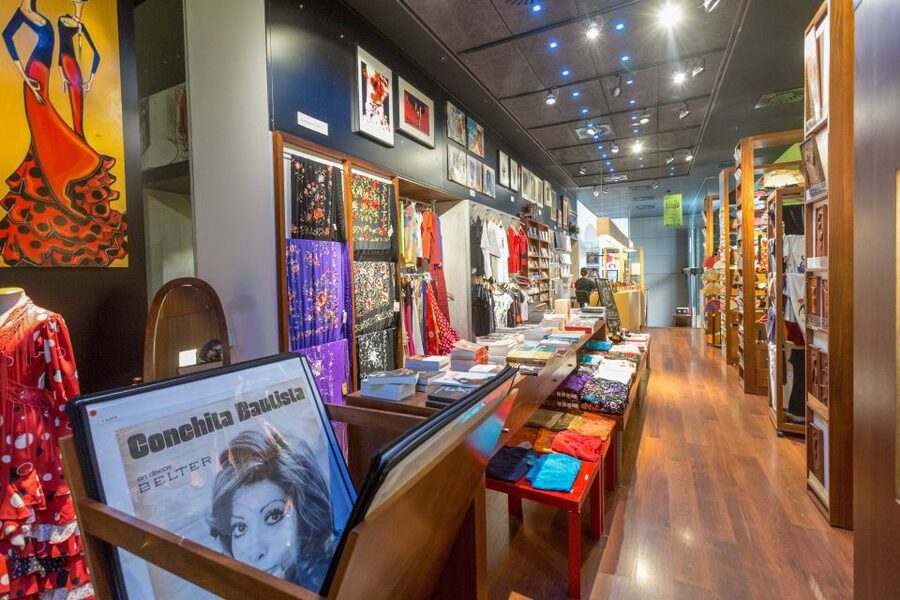
A central theme is flamenco’s shift from popular folk art to a cultural institution. That change gives the visit more meaning than a simple display of pretty dresses.
The museum shows flamenco as an art form with a past, changing styles, professional performers, and a place in modern Andalusian identity. The exhibits help you see how performance traditions can move from local settings into theaters, museums, and international culture.
Cristina Hoyos is important here. As a famous dancer and choreographer, she connects the museum with the professional history of flamenco. Her role as founder also signals that the museum was created from inside the dance world, not simply assembled as a general tourist attraction.
Still, the available visit details do not promise a full chronological history or a large collection of rare objects. Think of the museum as a focused introduction. It gives you useful context and visual material, but the real depth will come from paying attention and perhaps pairing the visit with a live show.
Museum ticket versus flamenco show
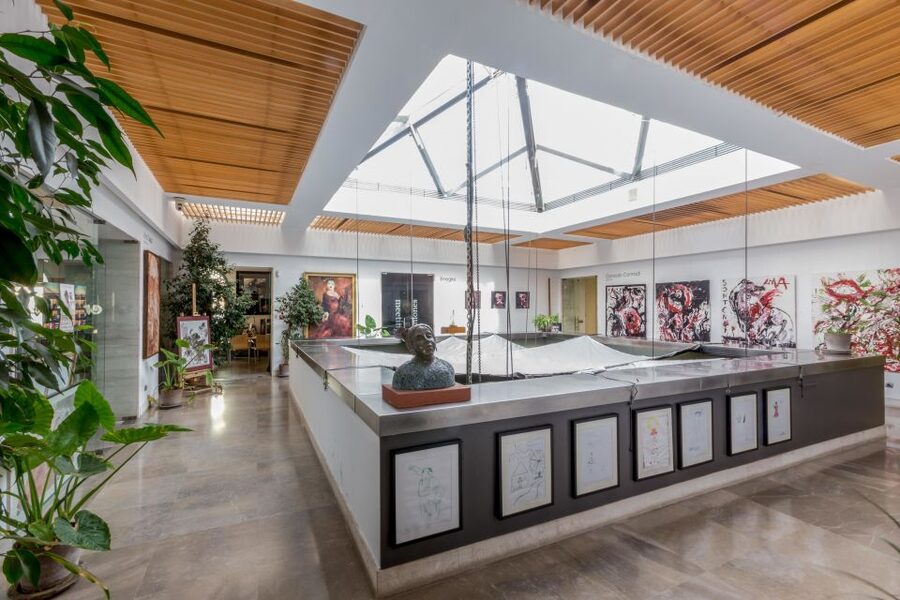
The $7 admission covers the Flamenco Dance Museum only. It does not include the Flamenco Dance Museum Show.
That distinction is vital when you book. If your main goal is to see dancers perform, this ticket alone will not provide that experience. The museum can explain the clothing, styles, and cultural setting, but it cannot replace live music and movement.
The museum ticket makes sense for a few types of visit. You might choose it if you have already booked a performance elsewhere, if you want a quiet cultural stop near the Cathedral, or if you are traveling on a tight budget. At seven dollars, it is an inexpensive way to learn more before or after seeing flamenco onstage.
The value is less clear if you have only one hour in Seville and want the strongest possible flamenco experience. A live show will give you the sound and movement that the museum cannot. One recent visitor specifically felt the performance would have been the better choice and found the museum less interesting without a strong prior interest in flamenco.
My advice is to decide what you want before booking. Choose the museum for context, costumes, and self-paced learning. Choose the show for the performance itself. If your budget and schedule allow both, the two experiences can complement each other, but the show is an extra purchase.
Timing your visit from 11:00 to 18:00
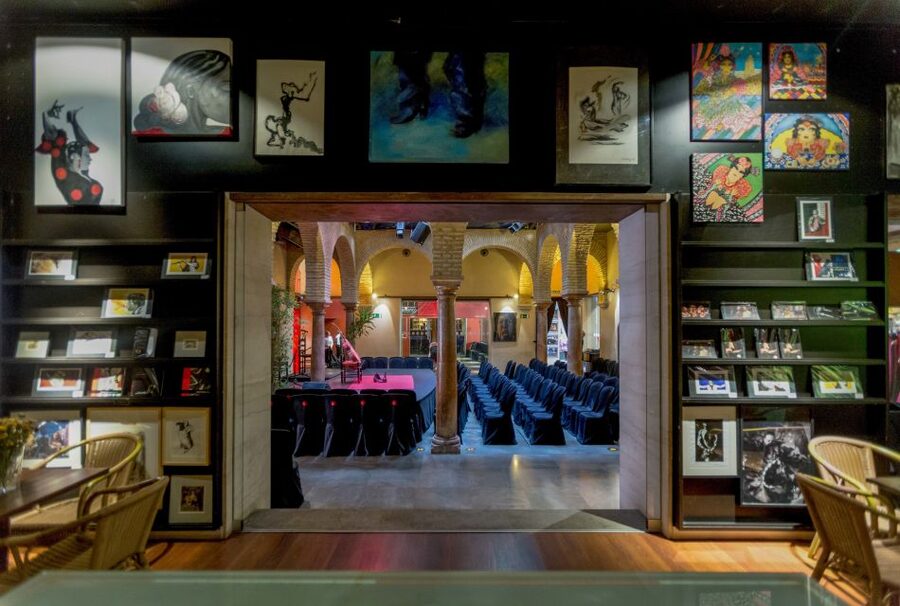
Visits are available during the time stated on your ticket, generally from 11:00 to 18:00, with last entry at 18:00. On the first Monday of each month, the museum opens at 4:00 p.m.
The flexible daytime window is helpful. You can place the museum between other Old Town stops instead of building your whole day around a fixed tour departure. That also gives you control over how long you stay in each room.
The first Monday schedule deserves attention. If you plan to visit early that day, you will need to change your plan because the museum does not open until 4:00 p.m. Check the date and ticket details before setting out.
Allow around one hour, but do not assume you must leave after exactly sixty minutes. If you listen to the interactive material carefully, your visit may take longer. If you are mainly interested in the costumes and general story, you may finish sooner.
Accessibility and booking flexibility
The museum is wheelchair accessible, which makes it a practical option for visitors who need step-free access. The supplied information does not give further details about individual display heights, seating, or restroom facilities, so ask the museum directly if you need those specifics.
You can cancel up to 24 hours before the visit for a full refund. A reserve-now, pay-later option is also offered, which can help if your Seville schedule is still shifting.
The booking information lists the visit as one hour and asks you to check availability for starting times. The museum itself allows entry within the stated time period, so read your ticket carefully and follow its assigned conditions.
Who will enjoy this museum most
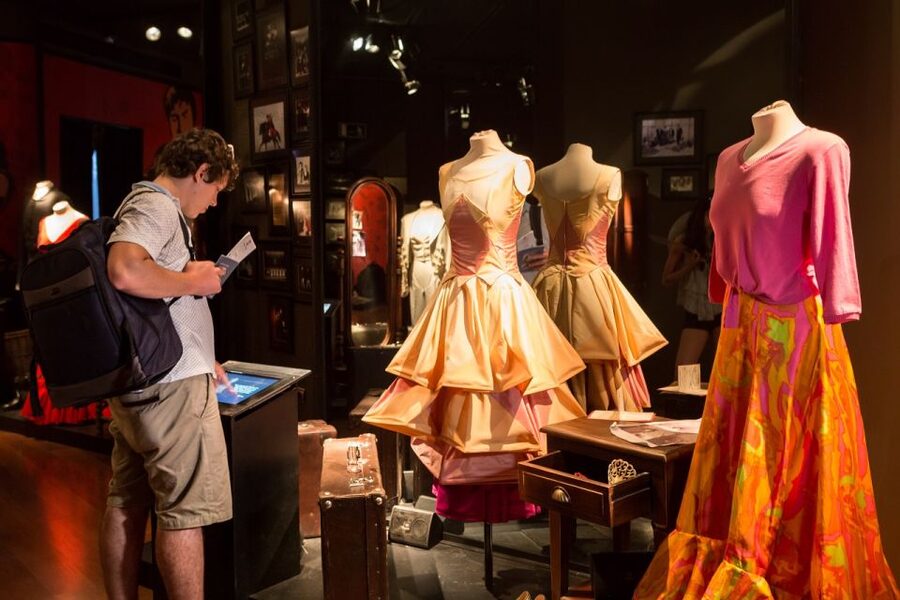
I would recommend this stop to:
- First-time flamenco visitors who want basic context before a show.
- Fans of dance, clothing, and performance design.
- Visitors staying near the Cathedral who want a short indoor cultural activity.
- Families or mixed groups who prefer a flexible visit rather than a fixed performance.
- Budget-conscious visitors who want to spend about $7 on a focused Andalusian experience.
- Anyone with an interest in Cristina Hoyos and her role in flamenco.
I would be more cautious if you want a full evening of entertainment from a single ticket. The museum does not include a show, and the displays may feel too limited if you have little interest in dance, costumes, or cultural history.
It is also not the strongest choice for someone seeking a long, highly detailed academic treatment of flamenco. The museum offers accessible explanations, styles, artwork, and interactive material, but the visit is designed to be manageable in about an hour.
My advice on the $7 value
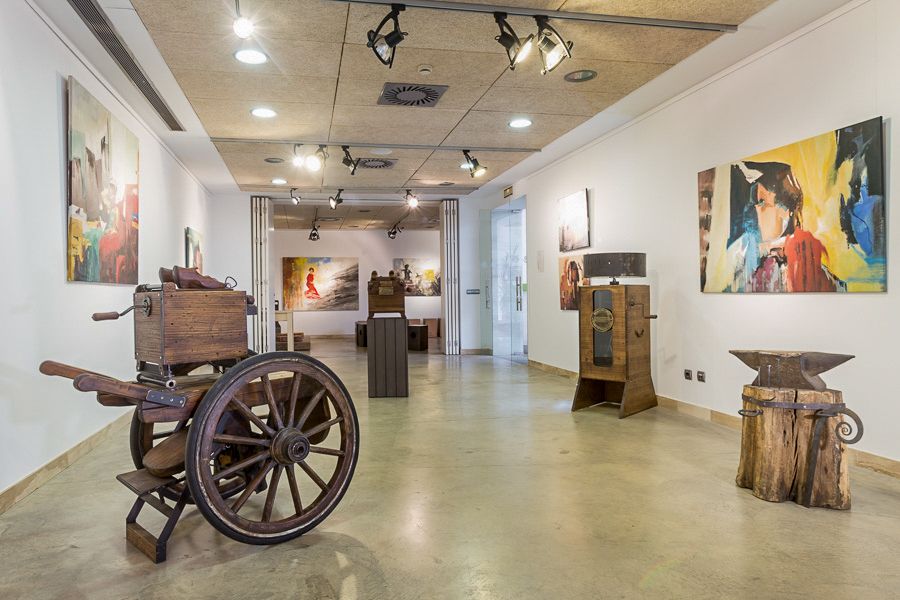
At $7, the price is fair for a central Seville stop with a clear cultural focus. The location adds value because you can reach it on foot from two of the city’s biggest sights, and the one-hour format leaves room for other plans.
The best value comes when you use the museum as preparation. Learn the names of a few styles, look closely at the costumes, and listen to the interactive material. Then a later performance may make more sense because you have a better idea of what you are seeing.
The value drops if you expect a live dance experience from the ticket. The museum cannot provide that, and the show is sold separately. Keep that simple difference in mind and you are unlikely to feel misled.
Should you book the Flamenco Dance Museum?
Book it if you want a low-cost, central introduction to flamenco, especially if costumes, artwork, and cultural background interest you. Give yourself a full hour, and take extra time in the third room rather than racing through.
Skip it if your only goal is to watch dancers perform. Spend the money on a show instead, or add the show separately if your schedule allows. For most visitors, the museum is best understood as a useful cultural primer, not a substitute for live flamenco.
FAQ
Where is the Flamenco Dance Museum?
It is at Calle Manuel Rojas Marcos, 3, in Seville’s Old Town, about five minutes on foot from the Cathedral and the Giralda.
How long does the museum visit take?
The stated duration is one hour. You can stay longer if you want to spend more time with the interactive displays and audio material.
What are the museum’s opening visit hours?
Visits are generally available from 11:00 to 18:00, with last entry at 18:00. On the first Monday of each month, the museum opens at 4:00 p.m.
Is the flamenco show included with admission?
No. The museum admission ticket does not include the Flamenco Dance Museum Show.
Who founded the Flamenco Dance Museum?
The museum was founded by Cristina Hoyos, a well-known flamenco dancer and choreographer.
Is the museum wheelchair accessible?
Yes. The experience information states that the museum is wheelchair accessible.
Can I cancel the ticket for a refund?
Yes. You can cancel up to 24 hours in advance for a full refund. A reserve-now, pay-later option is also available.
Newly listed in Seville
- Flamenco Show in Seville – La milonga tablao★ 4.5 · 95 reviews
- Seville: Tapas Walking Tour with Traditional Flamenco Show★ 4.9 · 100 reviews
- Flamenco Show & Tapas Small Group Tour in Seville★ 5.0 · 111 reviews
- Seville: El Patio Sevillano Flamenco Show Ticket & Dinner★ 4.1 · 108 reviews
- Seville Tapas Tour & Authentic Flamenco Show★ 5.0 · 97 reviews
- Seville:Exclusive FlamencoShow with Drink, VIP, or Dinner Options★ 4.0 · 111 reviews
- Seville: Flamenco Show at Tablao Flamenco Andalusí★ 4.7 · 109 reviews
- Sevilla: Flamenco Show at Tablao Álvarez Quintero★ 4.3 · 129 reviews
Seville Flamenco Shows, compared.
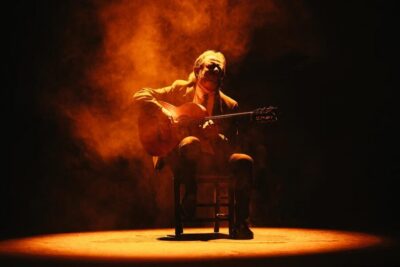
Live Flamenco Dancing Show Ticket at the Theater
Read our review →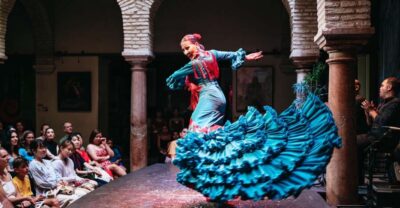
Puro Flamenco Show with Optional Museum Ticket
Read our review →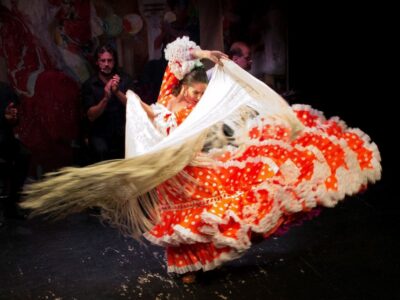
Live Flamenco Show at “Teatro Flamenco Triana”
Read our review →
Flamenco Show Ticket at Tablao Flamenco Las Setas
Read our review →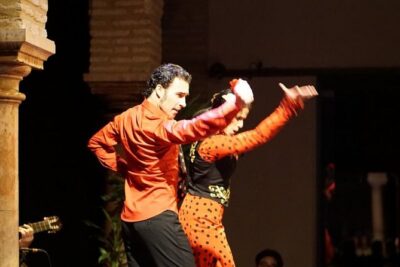
Authentic Flamenco Show with Tapas & Wine Guided Tour
Read our review →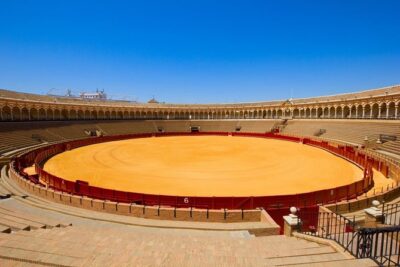
Flamenco Show at Tablao El Arenal with Drink and Optional Dinner or Tapas
Read our review →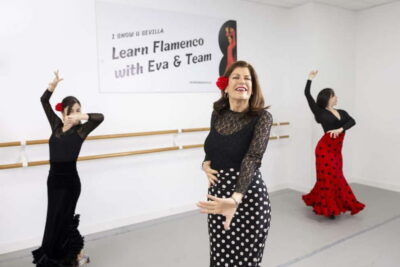
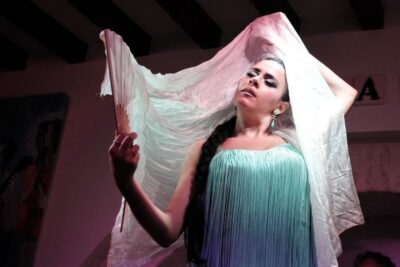
Ticket to Flamenco Show at La Casa de la Guitarra
Read our review →Browse the lists this tour appears in