
Review · SEVILLE
Seville: Ticket to the Flamenco Dress Museum
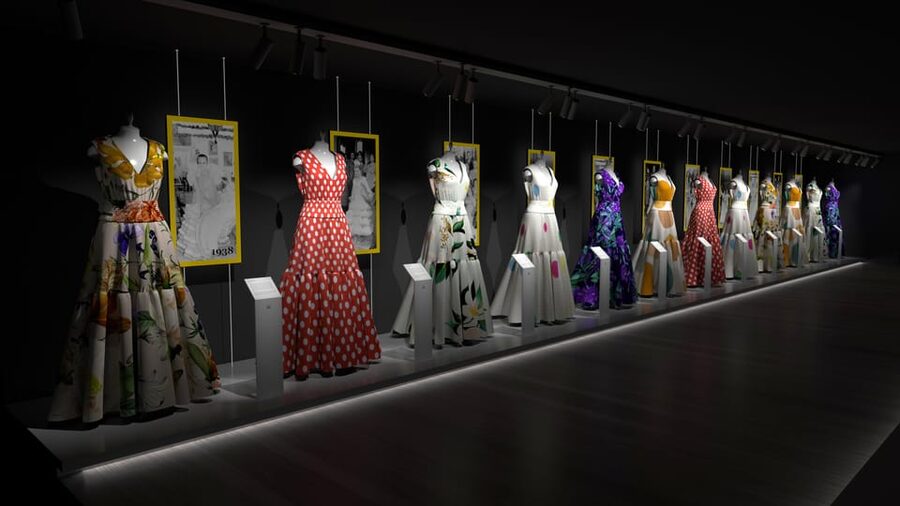
The Flamenco Dress Museum gives you a close look at one of Andalusia’s most recognizable traditions: the dress worn for flamenco and regional celebrations. In about 30 minutes, you move from early styles to present-day designs, ending with a long, dramatic bata de cola dress and a recreation of a fashion workshop.
I like the beautiful clothing and the way the exhibition connects fashion with flamenco culture. I also like the low price, about $4.56 per person, which makes this an easy add-on before or after other sights in Seville.
The main drawback is size. This is a small museum, not a large fashion collection, so you should come for a focused introduction rather than a full afternoon attraction.
Key points to know before you go
- A short 30-minute visit: You can fit the museum into a busy Seville day without giving up a major block of sightseeing time.
- Fashion changes year by year: Flamenco dress is unusual among regional clothing because it keeps adapting to current fashion trends.
- Look for the bata de cola: The long train is one of the collection’s most striking pieces and helps show how clothing affects flamenco movement.
- See the workshop recreation: A representation of a flamenco fashion atelier gives you a sense of the design and making process.
- Meet at El Palacio Andaluz: The visit begins and ends at this location, so plan around that fixed meeting point.
- Good value for a small museum: At about $4.56, the ticket costs little, but the experience is best for people already interested in flamenco or Andalusian culture.
Why flamenco clothing deserves its own museum
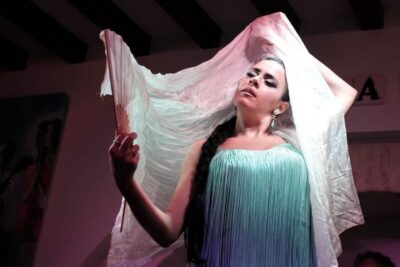
Flamenco is often introduced through music, singing, and dance. Clothing is just as important. The dress creates movement, shape, and color on stage, and the long ruffles and train can become part of the performance itself.
This museum treats the dress as more than a costume. It shows how Andalusian clothing has changed over time and how designers continue to update it. That makes the visit useful even if you do not know much about flamenco before arriving.
I find the yearly change especially interesting. Many regional outfits are kept close to an old pattern, but flamenco fashion continues to respond to new styles. The result is a living tradition rather than a fixed historical uniform.
You should also keep your expectations in check. The museum is small, and the visit is built around a compact exhibition. You will not spend hours moving through room after room. Instead, you get a quick, visual lesson in how fabric, shape, and design support Andalusian identity.
More Museums in Seville:
- Seville: Puro Flamenco Show with Optional Museum Ticket
★ 4.8 · 6,088 reviews - Seville: Museum of Flamenco Dance Admission Ticket
★ 4.4 · 197 reviews - Combined ticket: Puro Flamenco Show + Flamenco Museum visit
★ 4.5 · 132 reviews
Starting at El Palacio Andaluz
Your visit starts at El Palacio Andaluz, which is also the end point. The supplied information does not describe a separate walking route, transport service, or guide by name, so you should treat this as a self-contained museum visit at the stated meeting point.
That fixed arrangement is helpful. You do not need to find several stops across Seville, and the short visit is easy to place before or after a meal, a flamenco performance, or sightseeing elsewhere in the city. Check the available starting times when booking so the visit fits your plan.
Because the museum is connected with El Palacio Andaluz, it may suit you particularly well if you are already visiting that venue for its connection to flamenco culture. Even if the museum is your only reason for coming, the meeting point keeps the plan simple.
I would allow a little extra time around the 30-minute visit. The exhibition itself is short, but you may want a few quiet minutes to look closely at the garments rather than rushing through them. The official duration tells you the scale of the experience, not necessarily how long you will want to spend at each piece.
Following the history and changing style
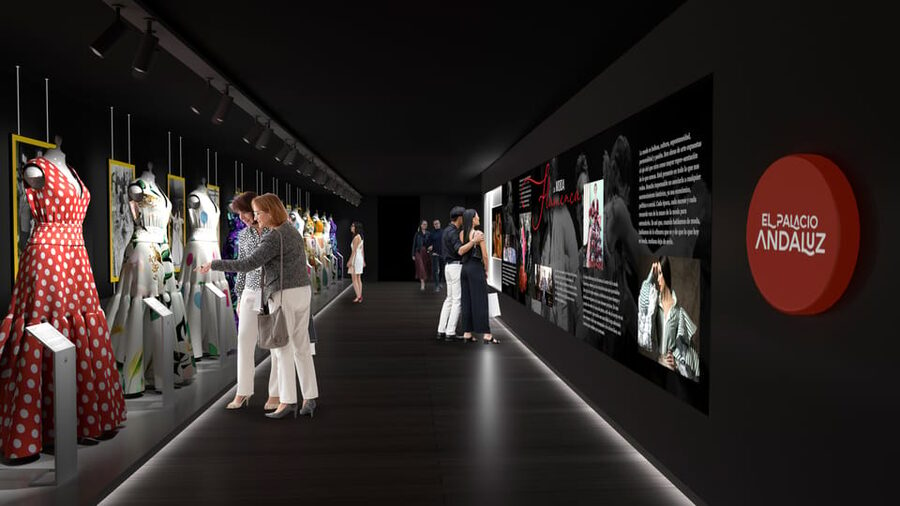
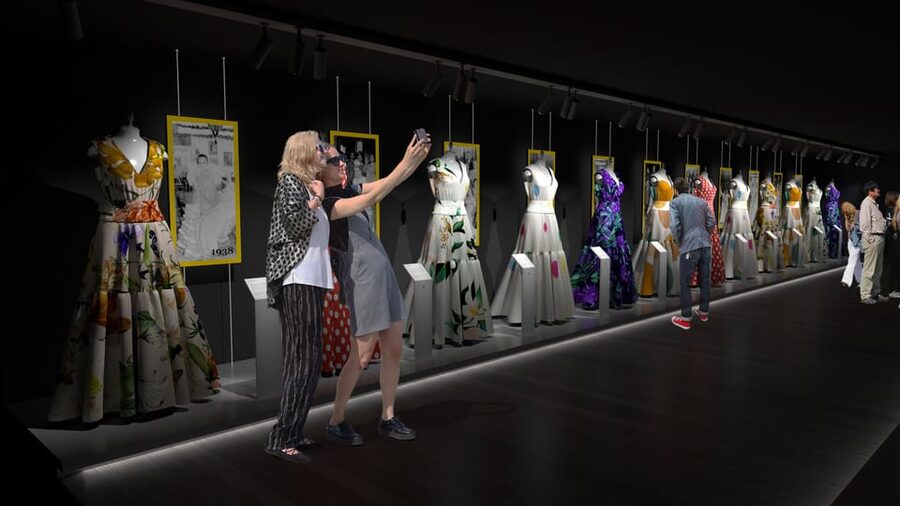
The main part of the visit presents flamenco fashion from its origins to the present day. The key idea is change. You are not looking at one standard version of the flamenco dress. You are seeing a regional style that has continued to shift with fashion.
That makes the displays more useful than a simple collection of attractive outfits. As you move through the exhibition, pay attention to how each design represents its own moment. The pieces were created by flamenco fashion designers known in Spain and internationally, so the collection links local clothing with professional fashion design.
The available information does not identify every designer or provide a date for each garment. You should therefore focus on the broad visual story rather than expecting a detailed catalogue of names, labels, or technical notes.
For me, this is where the museum earns its place in a Seville itinerary. It gives context to the dresses you may see in flamenco performances, festivals, or photographs. Instead of viewing the clothing as decoration, you begin to see how a dress can signal regional identity and shape the way a dancer presents movement.
The collection also helps explain why flamenco fashion still feels current. A dress can preserve familiar Andalusian features while using a newer cut, fabric, or design approach. That balance between tradition and fashion is the museum’s central subject.
The designer pieces and their visual appeal
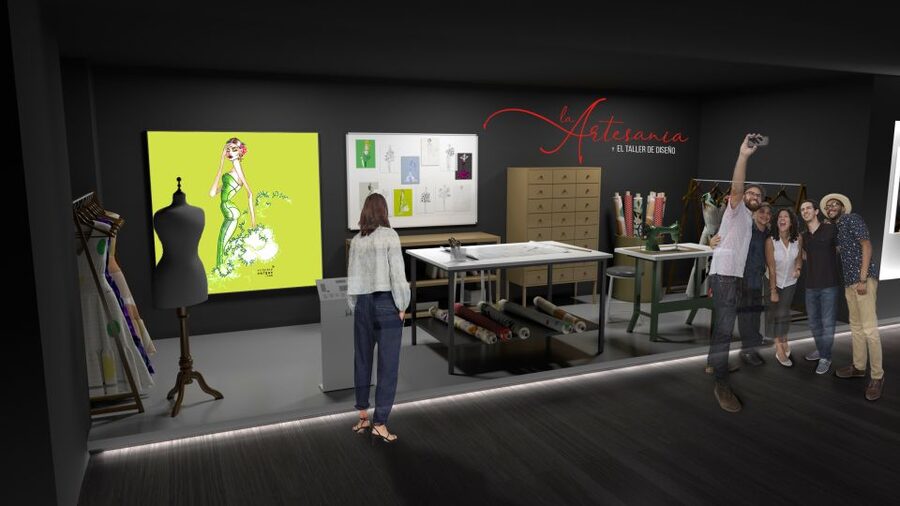
The clothing is the strongest reason to visit. One available description of the museum points to very beautiful garments, and that matches what you should expect from an exhibition devoted to design. The dresses are the main event, not a minor display added to a larger attraction.
You will see pieces created by several designers with strong reputations in Spain and beyond. The information does not provide a full list of names, so I would not book this expecting a designer-by-designer study. Instead, come ready to compare silhouettes, decoration, and the way each dress presents the body.
The museum’s small size can work in your favor here. You can give each garment a proper look without facing an exhausting series of galleries. A short visit often means you remember the strongest pieces instead of losing focus halfway through a large collection.
At the same time, a compact display may feel limited if you want a major fashion museum experience. If your main interest is couture, textile production, or a large historical collection, this attraction may leave you wanting more. Its value comes from the combination of flamenco, Andalusian culture, and changing fashion, not from sheer quantity.
More Entry Tickets in Seville:
- Seville: Live Flamenco Dancing Show Ticket at the Theater
★ 4.7 · 16,396 reviews - Seville: Flamenco Show Ticket at Tablao Flamenco Las Setas
★ 4.8 · 2,214 reviews - Seville: Ticket to Flamenco Show at La Casa de la Guitarra
★ 4.5 · 1,321 reviews - Flamenco Show at Casa de la Memoria Admission Ticket
★ 4.5 · 1,023 reviews
The bata de cola brings movement into the room
One of the collection’s important pieces is a spectacular bata de cola, the long-train dress associated with flamenco performance. Its extended train makes the relationship between clothing and dance easy to understand.
A long train is not merely extra fabric. It changes how the performer moves, controls the skirt, and presents the body to an audience. Even without seeing a dancer use it, you can understand why the bata de cola has such visual force.
This is likely to be one of the most memorable stops in the museum. The piece gives the exhibition a strong focal point and adds a sense of performance to what might otherwise be a static fashion display.
You should remember that this is a museum visit, not a dance lesson or a live performance. The supplied information does not promise demonstrations or shows during the 30-minute experience. The value comes from seeing the garment and considering how it functions within flamenco.
If you have children or companions who are less interested in fashion, the bata de cola may be the easiest object for them to understand. It is visually distinct and clearly tied to movement. For flamenco fans, it offers a useful reminder that a dancer’s clothing is part of the choreography.
Inside the flamenco fashion workshop
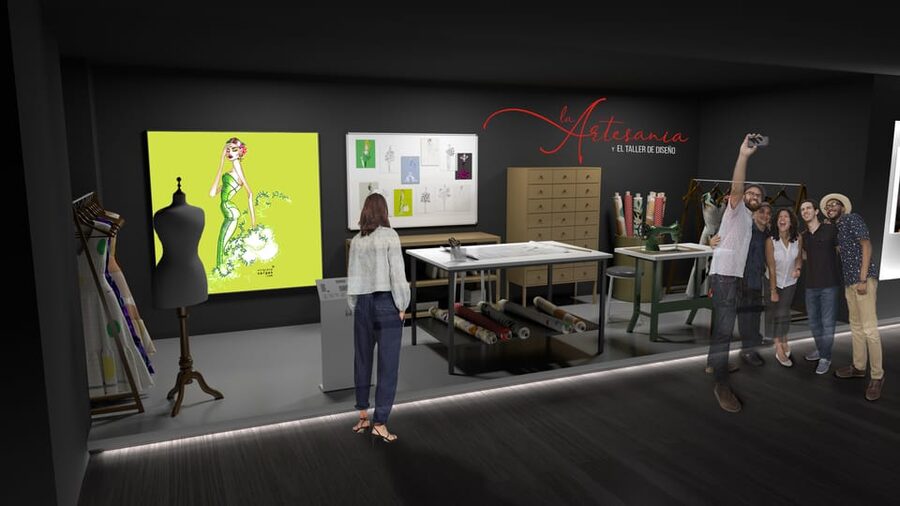
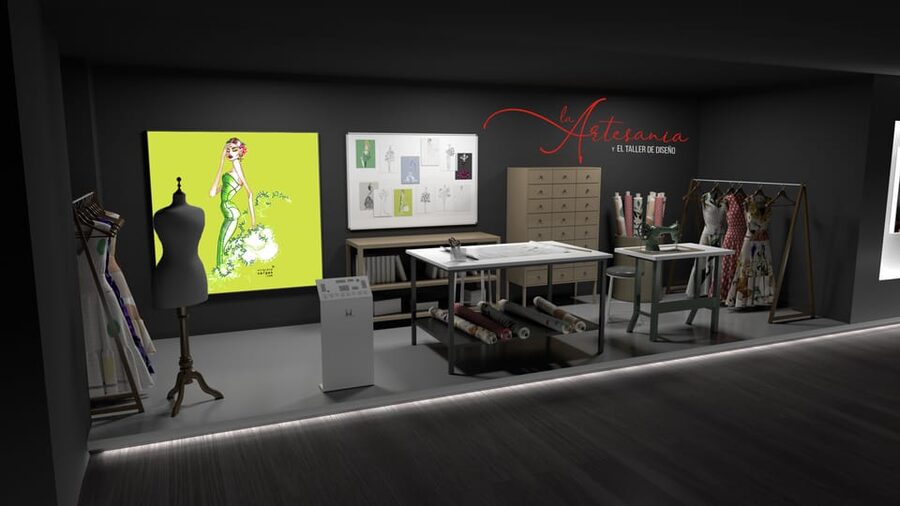
The museum also includes a representation of a flamenco fashion workshop. This section shifts attention from the finished dress to the work behind it.
You can use the workshop display to think about how an idea becomes a garment. The museum describes it as a place to discover what happens during the conception and creation of Andalusian fashion. The available information does not promise a live tailor, a hands-on activity, or a working production studio, so treat it as a recreated space rather than a scheduled demonstration.
That distinction matters. If you expect to watch a dress being sewn in real time, you may be disappointed. If you want a visual explanation of the design process, the workshop adds useful context to the clothing in the main exhibition.
I like this part because it keeps the visit from being only about finished appearances. A dress may look effortless on stage, but its shape and movement depend on planning and construction. The workshop representation helps you consider the decisions behind the ruffles, train, and overall form.
It also gives the visit a more personal feel. Fashion is often displayed as a polished final product. A workshop setting points back to the people and practical work required to create it.
How much time should you allow?
The official duration is 30 minutes. That is enough for the planned museum experience, and it makes this one of the easier cultural stops to add to a crowded Seville schedule.
I would choose it when I have a spare half hour and a clear interest in flamenco. You can visit before another appointment without committing to a long tour. The short format also works well in hot weather or when you need an indoor break.
Still, do not confuse short with full-scale. The museum is described as very small, and the collection is compact. You may finish quickly if you move from piece to piece without pausing.
I would plan your time in three parts: allow a few minutes to arrive at El Palacio Andaluz, about 30 minutes for the museum, and a little flexibility afterward. The activity ends back at the meeting point, so you do not need to arrange a second collection point.
Starting times vary, so check availability before you choose the visit. A timed entry can be useful when you are coordinating meals, performances, or other Seville sights.
Is the $4.56 ticket good value?
At about $4.56 per person, the ticket is inexpensive by Seville sightseeing standards. The price makes sense if you want a focused cultural stop and already plan to be near El Palacio Andaluz.
The value is strongest for three types of visitor. First, flamenco fans get direct access to the clothing and design ideas behind the art form. Second, people interested in Andalusian culture receive a clear introduction to a regional dress that continues to change. Third, short-stay visitors can add a small museum without spending much time or money.
The value is weaker if you judge museums by size. You should not expect a large collection, a full fashion archive, or a long guided tour for this price. The attraction gives you a brief, specific look at flamenco clothing, and that is exactly what you are paying for.
I also like that the ticket includes the museum visit itself, with no extra activity required to make the price worthwhile. The compact format reduces the risk of spending half a day on an attraction that does not match your interests.
Free cancellation up to 24 hours before the visit and the option to reserve now and pay later add flexibility. These policies are useful if your Seville schedule is still moving, but they do not change the museum’s small scale or short duration.
Who will enjoy this museum most?
I would recommend it most strongly to anyone who already plans to see flamenco in Seville or has a real interest in Andalusian dress. The museum gives you details to watch for later, especially the relationship between the dancer, the skirt, and the train.
It also suits photographers and design-minded visitors who enjoy looking closely at clothing. The supplied information does not specify photography rules, so you should check on arrival rather than assume that every garment can be photographed.
Families may like the short length, particularly if younger visitors do not manage long museum visits well. The striking dresses and bata de cola offer clear visual appeal, although the museum’s small size means there may not be enough variety for children who need hands-on activities.
The visit is wheelchair accessible, which makes it a practical option for many visitors. Other access details are not provided, so you should confirm any specific needs before booking.
I would skip it if your Seville plan is already packed and you have no interest in clothing, dance, or regional culture. A small museum works best when its subject matters to you. If it does, the low price and short duration make it easy to justify.
Practical choice for a Seville day
The best way to use this museum is as part of a wider flamenco-themed day. You might visit the exhibition, see how the clothing changes across time, and then attend a performance elsewhere. The museum will not replace a live show, but it can help you understand what you see on stage.
You can also place it between larger attractions. Since the visit lasts only 30 minutes and begins and ends at El Palacio Andaluz, it does not demand a complicated plan. Just leave enough time to reach the meeting point and check the available start time.
I would not travel across Seville solely for a long museum experience. The exhibition is too small for that expectation. I would travel to it as a reasonably priced, focused stop, especially if El Palacio Andaluz already fits your route.
The most useful mindset is to treat this as a visual introduction rather than a full academic study. You will see the evolution of the dress, admire designer pieces, examine the bata de cola, and get a glimpse of the workshop setting. That is plenty for half an hour, provided you want this subject.
Should you book the Flamenco Dress Museum?
Book it if you love flamenco, want more context before a performance, or need a short indoor stop tied closely to Andalusian culture. The beautiful clothing, changing designs, dramatic bata de cola, and workshop recreation give the visit a clear purpose.
Skip it if you want a large fashion museum or a long guided experience. The exhibition is small, and 30 minutes is the right expectation.
For about $4.56, I see it as an easy add-on with little financial risk. Pair it with other plans near El Palacio Andaluz, and you get a concise look at one of Andalusia’s most recognizable and continually changing traditions.
FAQ
Where does the Flamenco Dress Museum visit begin?
The visit begins at El Palacio Andaluz.
Where does the activity end?
The activity ends back at the meeting point, El Palacio Andaluz.
How long does the museum visit last?
The experience lasts 30 minutes.
What can I see at the museum?
You can see the history, evolution, and current trends of flamenco fashion, including dresses by different flamenco fashion designers.
Does the museum include a bata de cola dress?
Yes. The collection includes a spectacular bata de cola long-train dress.
Is there a flamenco fashion workshop display?
Yes. The museum includes a representation of a flamenco fashion workshop showing aspects of the design and creation process.
Is the museum wheelchair accessible?
Yes, the activity is wheelchair accessible.
Newly listed in Seville
- Unforgettable Seville: Tour of Seville and the Jewish Quarter + Flamenco Show★ 4.0 · 4 reviews
- Private walking tour to Seville with Flamenco Show★ 4.5 · 23 reviews
- Espectáculo Flamenco Tablao “Las Setas”★ 5.0 · 59 reviews
- Flamenco show in the heart of Triana★ 4.5 · 55 reviews
- Tapas and Flamenco in Seville★ 4.5 · 34 reviews
- Sevilla Private Flamenco and Tapas Tour★ 5.0 · 16 reviews
- Seville: Fun class to approach Flamenco★ 5.0 · 44 reviews
- Seville Pure Flamenco Tour★ 3.5 · 5 reviews
Seville Flamenco Shows, compared.
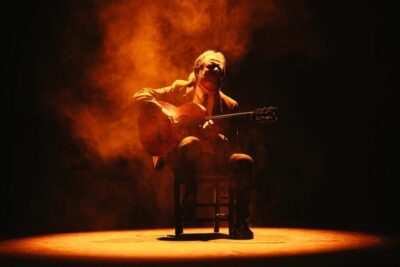
Live Flamenco Dancing Show Ticket at the Theater
Read our review →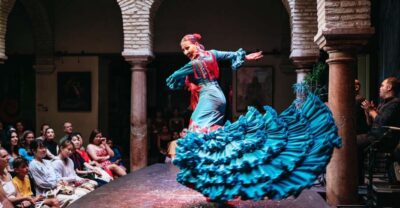
Puro Flamenco Show with Optional Museum Ticket
Read our review →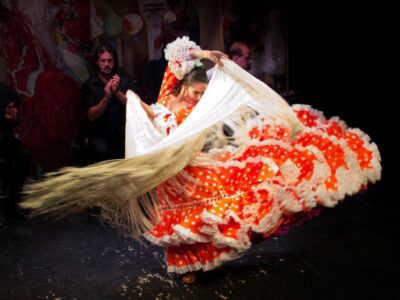
Live Flamenco Show at “Teatro Flamenco Triana”
Read our review →
Flamenco Show Ticket at Tablao Flamenco Las Setas
Read our review →
Authentic Flamenco Show with Tapas & Wine Guided Tour
Read our review →
Flamenco Show at Tablao El Arenal with Drink and Optional Dinner or Tapas
Read our review →
Ticket to Flamenco Show at La Casa de la Guitarra
Read our review →Browse the lists this tour appears in